In the world of tattoo artistry, the brushstrokes are needles, and the canvas is human skin. As tattoo artists, we are not just creating stunning visuals but also embedding a piece of our artwork into someone’s life. However, with the increasing popularity of tattoos, the question of copyright and the protection of these unique tattoo designs has become a pressing concern. In this article, we will delve deep into the intricate relationship between tattooing and intellectual property rights.
Imagine this: Your tattoo artwork is like a bestselling novel. Just as an author owns the rights to their story, as an artist, you own the creation etched onto skin. Yet, the world of tattoo and copyright law is like a labyrinth, filled with complex passages and hidden traps. We’re here to light the torch and guide you through this maze.
Understanding Intellectual Property in Tattoo Art
What is Intellectual Property in Tattooing?
When we talk about intellectual property in the context of tattoos, we’re referring to the legal rights that protect our artistic creations. Just like a sculptor or a painter, tattoo artists create artwork that’s not only visually appealing but also unique in its expression.
Applicable Intellectual Property Rights
Intellectual property in tattooing primarily involves copyright. As an artist, when you create an original tattoo design, you automatically hold copyright over that work. This means you have the exclusive right to reproduce, distribute, and display the design.
Table 1: Types of Intellectual Property in Tattoo Art
| Type of Intellectual Property | Relevance to Tattoo Art |
|---|---|
| Copyright | Protects original tattoo designs |
| Trademark (in some cases) | Protects distinctive symbols or logos used in tattooing |
Legal Precedents in Tattoo Copyright
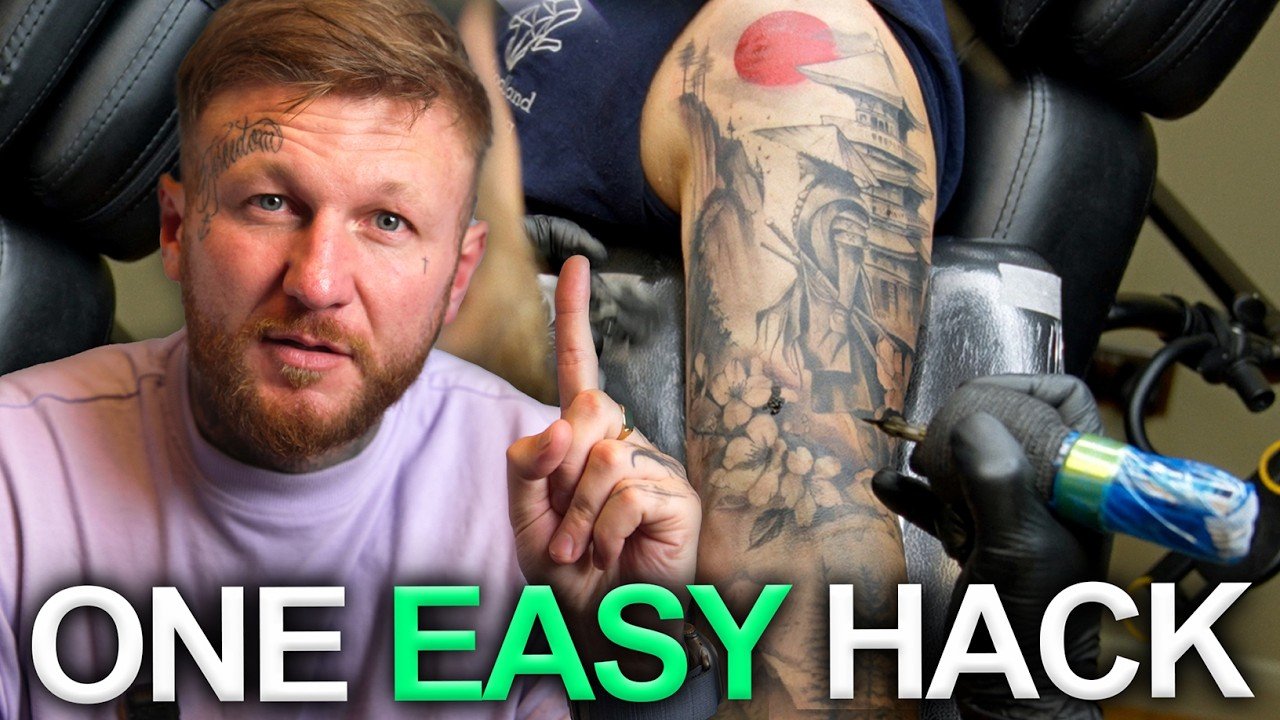
The legal landscape is sprinkled with cases that have shaped our understanding of copyright in tattoo art. One such case is the famous dispute over Mike Tyson’s tattoo in the movie “The Hangover Part II”, where the tattoo artist, Victor Whitmill, sued Warner Bros. for replicating Tyson’s tattoo without permission.
Copyright Laws and Tattoo Artistry
The Basics of Copyright Law in Tattooing
When we discuss copyright law as it pertains to tattoos, it’s about understanding who owns the copyright and what rights come with it. In the U.S., the US Copyright Office defines copyright as a form of protection granted to the authors of “original works of authorship,” including artistic works such as tattoos.
The Artist’s Rights
As a tattoo artist, you automatically become the copyright holder of the original artwork you create, unless there’s a contrary agreement. This means you have the exclusive rights to your design.
The Client’s Rights
Now, this is where it gets tricky. The client has the tattoo on their body, but they don’t own the copyright to the tattoo design. This means, technically, they can’t reproduce or display the tattoo in a commercial setting without your permission.
Key Legal Cases
Remember the case of Whitmill vs. Warner Bros? This case set a precedent in the tattoo industry about copyright infringement. It highlighted the need for clear agreements between the tattoo artist and the client regarding the use of the tattoo.
Protecting Your Tattoo Designs
Best Practices for Protection
In the tattooing world, your design is your currency. To safeguard your creations, consider these best practices:
- Documentation: Keep detailed records of your designs and the dates they were created.
- Client Consent Forms: Use these to clarify the use of the tattoo design.
Legal Agreements for Clients
Drafting clear agreements with your clients about the use of the tattoo is crucial. This can include clauses on whether the tattoo can be reproduced or used commercially.
Actions Against Infringement
If you find your work being used without permission, you have the right to take legal action. This might involve sending a cease-and-desist letter or pursuing legal remedies for copyright infringement.
Table 2: Steps to Protect Tattoo Designs
| Step | Description |
|---|---|
| Documenting Original Work | Keep sketches and dates of creation. |
| Legal Agreements | Use contracts to define usage rights. |
| Monitoring Use | Keep an eye on how your designs are being used. |
| Legal Action | Know your rights to enforce them. |
Ethical Considerations and Professional Conduct
Respecting Others’ Work
As tattoo artists, we must walk the fine line between inspiration and imitation. It’s crucial to respect the copyright of other artists and not replicate their tattoo designs without permission.
Inspiration vs. Originality
Drawing inspiration from others is natural, but there’s a clear distinction between being inspired and copying. Strive to infuse your personal touch in every design.
Addressing Infringement Professionally
When you encounter someone copying your work, handle it professionally. Often, a conversation can resolve issues before escalating them legally.
The Future of Intellectual Property in Tattoo Artistry
Emerging Trends and Legal Changes
The tattoo industry is ever-evolving, and so are the laws surrounding it. Keep abreast of new legal precedents and technological tools that can help protect your work.
Role of Technology
Advancements like digital portfolios and blockchain can offer new ways to authenticate and protect your tattoo artwork.
Preparing for Future Challenges
Stay informed and adaptable. The laws might change, but your right to protect your creativity remains constant.
Conclusion
We’ve journeyed through the complexities of copyright and intellectual property in the tattoo world. From understanding your rights as a tattoo artist to protecting your tattoo designs and handling copyright infringement, it’s clear that this is a dynamic and vital aspect of our industry.
As we continue to create and innovate in our art, let’s remember the importance of respecting and upholding these rights, for ourselves and our fellow artists. The future is bright, and with knowledge and vigilance, we can ensure our artwork thrives both on skin and in the legal books.