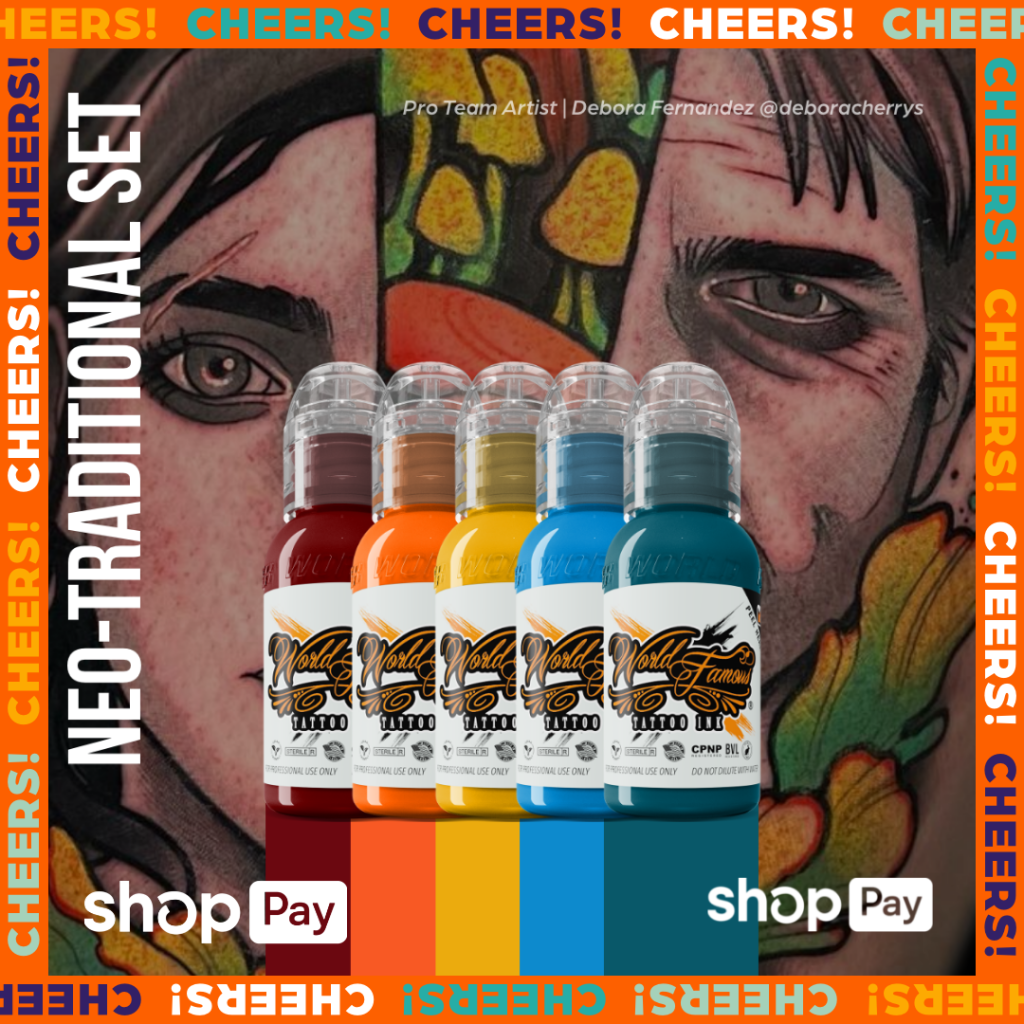
Whether you’re an aspiring tattoo artist or simply intrigued by the art form, understanding color theory is crucial. In this comprehensive guide, we’ll dive deep into the rainbow of possibilities that color offers in the realm of tattoos. Here, we’re not just talking about picking pretty hues; it’s about mastering the science and art of using color effectively in your tattoo designs.
Imagine a painter without a grasp of colors. They might mix random paints, hoping for the best, but the results are often far from what they envisioned. The same goes for tattooing. Without understanding color theory, a tattoo can turn into a muddy, unappealing mess. But fear not! This article is your tattooing 101 class on color. We’ll explore everything from the color wheel to skin tones, from mixing ink like a pro to making your colors pop.
Why Color Matters in Tattooing
In tattooing, color isn’t just a hue; it’s an emotion, a statement, and a piece of art that stays with someone forever. The right color combination can bring a tattoo to life, give it depth, and convey the desired emotion or message. Conversely, the wrong choice can lead to dissatisfaction, both for you and your client. This is why, as artists, we must not only be skilled with the needle but also be a mastermind in the theory of color.
What You’ll Learn
Throughout this article, we’ll cover:
- The basics of the color wheel and how to use it to your advantage.
- How to mix and shade colors to create stunning visual effects.
- Understanding skin tones and how they affect the appearance of ink.
- Advanced techniques and tips to make your designs stand out.
- Maintenance advice to ensure the longevity of your colorful creations.

So, let’s embark on this colorful journey together and unlock the secrets of color theory in tattooing!
The Basics of Color Theory
Understanding the Color Wheel
The color wheel is your roadmap in the world of colors. It’s a simple yet powerful tool that shows the relationships between colors. You might remember it from art class, but in tattooing, it takes on a whole new level of importance.
Primary, Secondary, and Tertiary Colors
- Primary Colors: Red, blue, and yellow – the building blocks of all other colors.
- Secondary Colors: Green, orange, and purple – created by mixing two primary colors.
- Tertiary Colors: The result of mixing a primary color with a nearby secondary color.
Table 1: Basic Color Combinations
| Primary Color | Secondary Color | Resulting Tertiary Color |
|---|---|---|
| Red | Orange | Red-Orange |
| Blue | Green | Blue-Green |
| Yellow | Purple | Yellow-Purple |
How Colors Interact
Colors can be complementary (opposite each other on the color wheel) or analogous (next to each other). Complementary colors, like red and green, create contrast and make each other pop. Analogous colors, like blue and green, provide a harmonious look.
Skin as a Canvas: Considering Skin Tone in Color Choice
Impact of Skin Tone on Ink Appearance
Skin tone plays a crucial role in how a tattoo’s colors are perceived. Different skin tones will make the same color ink look different. It’s essential to pick colors correctly to ensure your design looks its best on any skin.
Table 2: Color Choices for Different Skin Tones
| Skin Tone | Recommended Colors | Colors to Avoid |
|---|---|---|
| Lighter Skin | Bright, Vibrant Hues | Dark, Muddy Tones |
| Darker Skin | Bold, Deep Shades | Pale, Light Colors |
Choosing Colors for Different Skin Tones
- For lighter skin: You have a broader palette to work with. Light and bright colors show up well.
- For darker skin: Opt for deeper, more vivid colors. They stand out better against the skin.
Case Studies: Tattoos on Various Skin Tones
Understanding theory is one thing, but seeing it in action is another. We’ll showcase real-life examples of tattoos on different skin tones, highlighting how the choice of colors affected the overall look and feel of the tattoo.
Mixing Tattoo Ink: The Do’s and Don’ts
Techniques for Mixing Ink
Mixing tattoo ink is like being a chemist. It’s about understanding how different colors interact and predicting the outcome. It’s more than just mixing blue and yellow to get green; it’s about getting the exact shade of green you desire.
Table 3: Basic Ink Mixing Guide
| Primary Color | Secondary Color | Resulting Mixed Color |
|---|---|---|
| Blue | Yellow | Various Shades of Green |
| Red | Blue | Various Shades of Purple |
| Yellow | Red | Various Shades of Orange |
Common Mistakes in Ink Mixing
One of the most common mistakes is not considering the base color of the ink. For example, mixing a yellow with a blue that has a greenish base will not yield a true green. It’s crucial to know the base colors of your inks to mix them correctly.
Safety and Hygiene in Ink Mixing
Safety first! Always use sterilized equipment and wear gloves when mixing inks. This ensures both your safety and that of your client.
Color Psychology in Tattoo Design
How Colors Convey Emotions
Colors aren’t just visual; they’re emotional. Red can represent passion or danger, blue can be calming or sad, and yellow can be happy or anxious. Understanding the psychology behind colors helps you create tattoos that not only look good but also tell a story.
Choosing Colors for Tattoo Themes
Consider the theme of the tattoo and choose colors that enhance the narrative. For a nature-themed tattoo, greens and browns would be apt, whereas a fire-themed design might call for reds, oranges, and yellows.
Advanced Color Techniques for Tattoo Artists
Creating Depth and Dimension with Color
The key to creating depth in a tattoo is understanding shading. Using darker shades of the same color or contrasting colors can add a 3D effect to your work. It’s not just about filling an area with color; it’s about understanding how light interacts with objects.
Tips for Working with Bright and Pastel Colors
Bright and pastel colors can be tricky. They might look great in the bottle but can vary once applied to the skin. Test the colors beforehand and be prepared to adjust your palette as needed.
Maintenance and Longevity of Colored Tattoos
Tips for Color Tattoo Care
Advise your clients on proper aftercare. Sun exposure, poor hygiene, and improper healing can all lead to faded colors. A well-cared-for tattoo retains its vibrancy for longer.
Fading Colors and Touch-Ups
All tattoos fade over time, but colored tattoos might need more frequent touch-ups, especially lighter and brighter colors. Educate your clients about this so they know what to expect.
Showcasing a Portfolio: Colorful Creations
Our Experiences with Colorful Tattoos
We’ll share images and stories behind some of the most colorful tattoos we’ve created, discussing the thought process and color choices for each design.
Encouraging Creativity with Color
We want to inspire you to explore and experiment with color. There’s a whole spectrum out there waiting to be explored!
Conclusion
We’ve covered the essentials of color theory in tattooing. From the basics of the color wheel to advanced shading techniques, this knowledge will elevate your tattoo artistry. Remember, practice and experimentation are key to mastering color in tattooing.