Have you ever looked at a beautifully shaded tattoo and wondered how the artist achieved those smooth gradients and perfect depth? Are you struggling to move beyond basic line work and create the dimensional, professional-looking tattoos you see on social media?
We’ve all been there, staring at our practice skin, wondering why our shading looks patchy or uneven compared to the masters we admire.
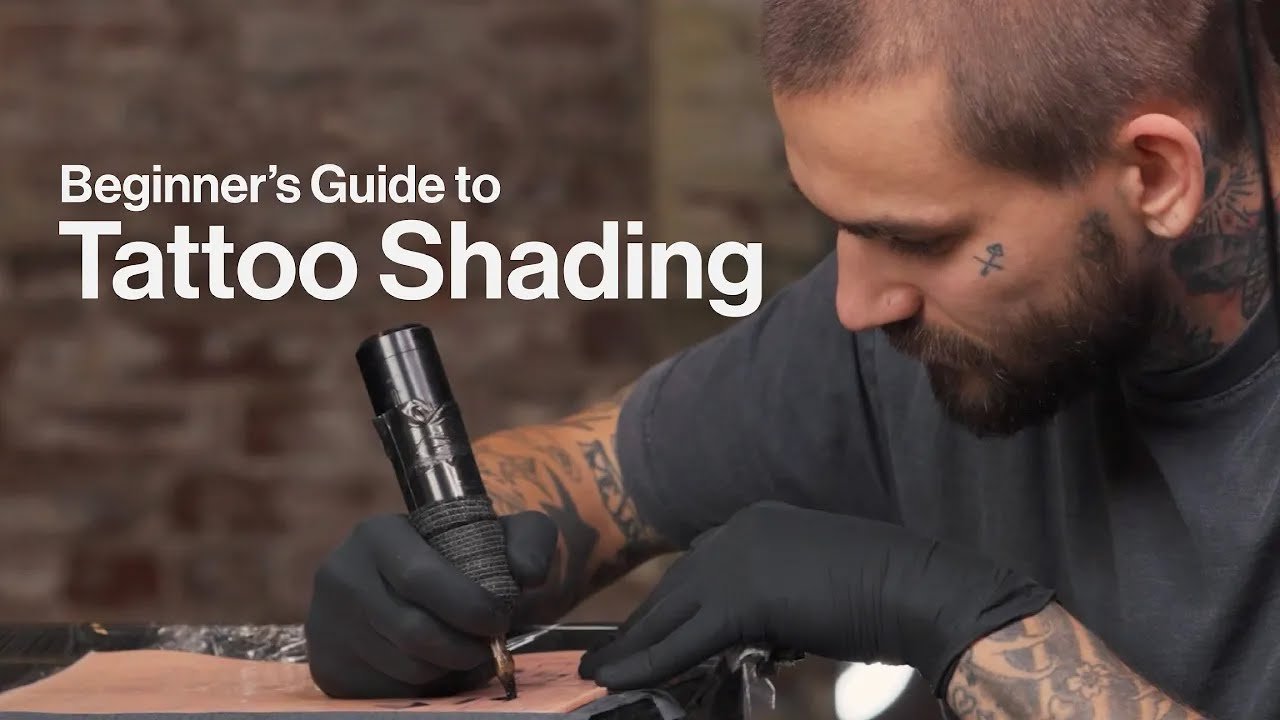
Today, we’re diving deep into a fantastic tutorial from c23 Labs that breaks down the three fundamental shading techniques every tattoo artist needs to master.
Whether you’re just starting your tattoo journey or looking to refine your foundational skills, these techniques will transform how you approach shading in your work.
Why Proper Shading Technique Matters More Than You Think

Before we jump into the specific techniques, let’s talk about why proper shading is so crucial to your development as a tattoo artist. We’ve seen countless beginners focus solely on line work, thinking they can figure out shading later. This approach often leads to frustration and inconsistent results.
Shading is what brings your tattoos to life. It creates the depth, dimension, and visual interest that separates amateur work from professional pieces. Poor shading technique can make even the most precise line work look flat and lifeless. On the other hand, masterful shading can elevate a simple design into something truly spectacular.
The video we’re featuring today comes from c23 Labs, a respected tattoo artist academy that focuses on teaching practical, applicable techniques. What we love about their approach is how they break down complex concepts into digestible, actionable steps that beginners can actually implement.
The Foundation: Understanding Magnum Needles and Movement
The tutorial centers around using magnum needles for shading, which is the industry standard for creating smooth, even coverage. If you’re not familiar with magnums, they’re flat needle configurations that allow you to cover more surface area with each pass, making them ideal for shading work.
What makes this tutorial particularly valuable is its focus on movement patterns. We often see beginners get caught up in needle selection and machine settings while completely overlooking the importance of hand movement. The truth is, your technique and movement patterns matter far more than having the most expensive equipment.
The three techniques covered in the video each serve different purposes and create different effects. Understanding when and how to use each one will give you the versatility to handle any shading challenge that comes your way.
Technique #1: Whip Shading – Creating Smooth Gradients
Whip shading is perhaps the most fundamental technique you’ll learn, and for good reason. This method involves a quick, controlled flicking motion that creates smooth transitions and gradients. The name comes from the whip-like motion of your hand as you work the needle across the skin.
The key to successful whip shading lies in your hand speed and needle angle. Too slow, and you’ll create harsh lines instead of smooth transitions. Too fast, and you won’t deposit enough ink for proper coverage. Finding that sweet spot takes practice, but once you get it, whip shading becomes an incredibly versatile tool in your arsenal.
We recommend starting with light pressure and gradually building up your coverage. This approach gives you more control over the final result and reduces the risk of overworking the skin. Remember, you can always go darker, but you can’t easily go lighter once the ink is in the skin.
The needle angle is equally important. A steeper angle will create more aggressive shading, while a shallower angle produces softer, more subtle effects. Experiment with different angles on practice skin to see how they affect your results.
Technique #2: Pendulum Shading – Building Consistent Coverage
Pendulum shading gets its name from the back-and-forth motion that resembles a pendulum’s swing. This technique is excellent for building up consistent coverage over larger areas and creating smooth, even tones.
The pendulum motion allows you to maintain consistent contact with the skin while covering ground efficiently. Unlike whip shading, which relies on quick, decisive movements, pendulum shading is more about steady, controlled passes that gradually build up your desired tone.
One of the biggest advantages of pendulum shading is its predictability. Once you establish your rhythm and pressure, you can achieve very consistent results across large areas. This makes it particularly useful for backgrounds, large shadow areas, and any time you need uniform coverage.
The technique requires good hand coordination and the ability to maintain consistent pressure throughout the motion. We suggest practicing the movement without ink first, just to get comfortable with the motion pattern. Focus on keeping your hand relaxed and letting the natural pendulum motion guide your movement.
Technique #3: Hatching – Adding Texture and Depth
Hatching is the most artistic of the three techniques, involving controlled, parallel lines that create texture and visual interest. This technique draws from traditional art methods and translates beautifully to tattooing when executed properly.
The beauty of hatching lies in its ability to create texture and depth through the strategic placement of lines. By varying the spacing, angle, and density of your hatching lines, you can create everything from subtle texture to dramatic shadow effects.
Cross-hatching, where you layer hatching lines in different directions, can create even more complex textures and deeper shadows. This technique is particularly effective in black and gray realism work, where texture and depth are crucial to the overall impact of the piece.
The key to successful hatching is maintaining consistent line quality while varying the spacing and density to achieve your desired effect. Each line should be deliberate and purposeful, contributing to the overall texture you’re trying to create.
How Needle Angles Transform Your Results
One of the most valuable aspects of the c23 Labs tutorial is its emphasis on needle angles and how they affect your shading results. This is something we see many beginners overlook, but it’s absolutely crucial to achieving professional-looking work.
A steep needle angle (closer to 90 degrees) creates more aggressive ink deposition and darker, more defined shading. This angle is great for creating bold shadows and dramatic contrast. However, it requires careful control to avoid overworking the skin.
A shallow needle angle (closer to 45 degrees or less) creates softer, more subtle shading effects. This angle is perfect for gentle gradients, soft shadows, and areas where you want a more delicate touch. It’s also more forgiving for beginners, as it’s harder to overwork the skin with this approach.
Learning to adjust your needle angle on the fly, based on the effect you’re trying to achieve, is a skill that separates good tattoo artists from great ones. Practice switching between different angles during your shading practice sessions to develop this muscle memory.
The Role of Hand Speed in Professional Shading
Hand speed is another critical factor that the tutorial addresses thoroughly. Many beginners either work too slowly, creating choppy, uneven coverage, or too quickly, failing to deposit enough ink for proper saturation.
The ideal hand speed varies depending on the technique you’re using and the effect you’re trying to achieve. Whip shading typically requires faster movements to create those smooth transitions, while pendulum shading benefits from more moderate, controlled speeds.
Finding your optimal hand speed is a matter of practice and experimentation. Start with moderate speeds and adjust based on your results. Pay attention to how different speeds affect your ink deposition and the smoothness of your shading.
Remember that consistency is more important than speed. It’s better to work at a moderate, consistent pace than to rush and create uneven results. Your speed will naturally increase as your technique improves and your confidence grows.
Building Smooth Gradients: The Foundation of Professional Work
Creating smooth gradients is perhaps the most challenging aspect of shading for beginners, but it’s also one of the most important skills to master. Gradients are what create the illusion of three-dimensional form in your tattoos.
The key to smooth gradients is gradual transitions between different tones. This requires careful control of your pressure, speed, and coverage density. Start with your lightest tone and gradually build up to your darkest areas, blending each transition carefully.
Overlapping passes are crucial for smooth gradients. Each pass should slightly overlap the previous one, creating seamless transitions between tones. Avoid creating hard edges between different tonal areas, as these will make your shading look amateur.
Practice creating gradients on flat surfaces before attempting them on curved or complex forms. Once you can consistently create smooth gradients on simple shapes, you can start applying these skills to more complex tattoo designs.
Applications in Black and Gray Realism
The techniques covered in the tutorial are particularly valuable for black and gray realism work. This style relies heavily on subtle tonal variations and smooth gradients to create realistic, three-dimensional effects.
In black and gray realism, whip shading is often used for creating soft skin tones and subtle transitions. The quick, controlled movements allow you to build up realistic skin textures and gentle shadows that give your work a photographic quality.
Pendulum shading excels at creating consistent background tones and large shadow areas. This technique is perfect for establishing the overall tonal structure of your piece before adding finer details.
Hatching adds texture and fine detail that brings realism work to life. Whether you’re creating the texture of fabric, the roughness of bark, or the softness of hair, hatching techniques give you the tools to add these crucial details.
Bold Traditional Fades and Classic Techniques
While the tutorial focuses on techniques applicable to all styles, these methods are equally valuable for traditional tattoo work. Bold traditional fades require clean, decisive shading that creates strong contrast and visual impact.
In traditional work, whip shading can create those classic, bold fades that define the style. The quick, confident movements align perfectly with the bold, decisive nature of traditional tattooing.
Pendulum shading is excellent for creating the solid, consistent backgrounds that traditional work often requires. This technique allows you to achieve the even coverage that makes traditional tattoos so visually striking.
Even hatching has its place in traditional work, particularly in creating texture effects and adding visual interest to larger areas. When used sparingly and purposefully, hatching can add depth and character to traditional designs.
Common Mistakes and How to Avoid Them
Through our experience and observation of the techniques demonstrated in the tutorial, we’ve identified several common mistakes that beginners make when learning these shading methods.
Overworking the skin is perhaps the most common error. Beginners often think they need to achieve their desired result in a single pass, leading to excessive trauma and poor healing. Remember that shading is a gradual process that requires multiple light passes.
Inconsistent pressure is another frequent issue. Varying your pressure unintentionally creates uneven coverage and patchy results. Focus on maintaining consistent pressure throughout each technique, adjusting only when you intentionally want to change the effect.
Poor needle angle control can completely change the character of your shading. Practice maintaining consistent angles and learn to adjust them purposefully rather than accidentally.
Rushing the process leads to sloppy technique and poor results. Take your time to execute each movement properly. Speed will come naturally as your technique improves.
Practice Strategies for Mastering These Techniques
Developing proficiency in these three shading techniques requires dedicated practice and a structured approach. We recommend starting with practice skin or other suitable practice materials before attempting these techniques on clients.
Begin by practicing each technique individually. Focus on whip shading first, as it’s fundamental to many other shading applications. Practice creating smooth, even strokes with consistent pressure and speed.
Move on to pendulum shading once you’re comfortable with whip shading. Focus on maintaining steady, rhythmic movements and consistent coverage. Practice covering different sized areas to develop your control.
Hatching requires the most artistic sensibility, so spend extra time developing your line quality and spacing consistency. Practice creating different textures and effects through variations in line density and direction.
Equipment Considerations and Setup
While technique is more important than equipment, having the right setup can make learning these methods easier. The tutorial emphasizes magnum needles, which are indeed the standard for shading work.
Start with basic magnum configurations like 7M1 or 9M1. These provide good coverage while still being manageable for beginners. As your technique improves, you can experiment with larger configurations for covering bigger areas more efficiently.
Your machine setup should be tuned for smooth, consistent operation. A machine that runs too hard will make it difficult to control your shading, while one that runs too soft won’t provide adequate ink flow.
Ink consistency also plays a role in your shading success. Properly diluted ink flows more smoothly and creates more even coverage. Experiment with different dilution ratios to find what works best with your technique.
Building Your Shading Vocabulary
As you develop proficiency in these three fundamental techniques, you’ll start to see how they can be combined and modified to create an almost unlimited range of effects. Think of them as the basic vocabulary of shading that you can use to “speak” fluently in the language of tattoo art.
Combining techniques within a single piece allows you to create complex, nuanced shading effects. You might use pendulum shading for large background areas, whip shading for smooth transitions, and hatching for textural details.
Varying your approach based on the specific requirements of each area in your tattoo will make your work more sophisticated and professional. Different areas of the same tattoo might call for different techniques based on the desired effect.
Developing your own variations of these basic techniques will help you develop a personal style. As you become more comfortable with the fundamentals, you’ll naturally start to modify and adapt them to suit your artistic vision.
The Path Forward: From Beginner to Professional
Mastering these three shading techniques is just the beginning of your journey as a tattoo artist. They provide the foundation upon which you’ll build more advanced skills and develop your personal artistic style.
Consistent practice is the key to improvement. Set aside regular time for practicing these techniques, even after you feel comfortable with them. Muscle memory and technique refinement are ongoing processes that require continuous attention.
Studying the work of masters will give you inspiration and insight into how these basic techniques can be applied in sophisticated ways. Look at how accomplished artists use shading to create mood, depth, and visual interest in their work.
Seeking feedback from experienced artists and mentors will help you identify areas for improvement and avoid developing bad habits. Don’t be afraid to ask for critique and guidance as you develop your skills.
The c23 Labs tutorial we’ve discussed today provides an excellent foundation for understanding these essential shading techniques. By mastering whip shading, pendulum shading, and hatching, you’ll have the tools you need to create professional-quality shading in your tattoo work.
Remember that becoming proficient in these techniques takes time and dedicated practice. Be patient with yourself as you develop these skills, and focus on consistent improvement rather than perfection. With time and effort, these fundamental techniques will become second nature, allowing you to focus on the artistic aspects of your work rather than struggling with basic technical execution.
The journey from beginner to professional tattoo artist is challenging but incredibly rewarding. These shading techniques are essential tools that will serve you throughout your career, regardless of what styles you choose to specialize in. Master them well, and they’ll provide the foundation for a lifetime of artistic growth and professional success.