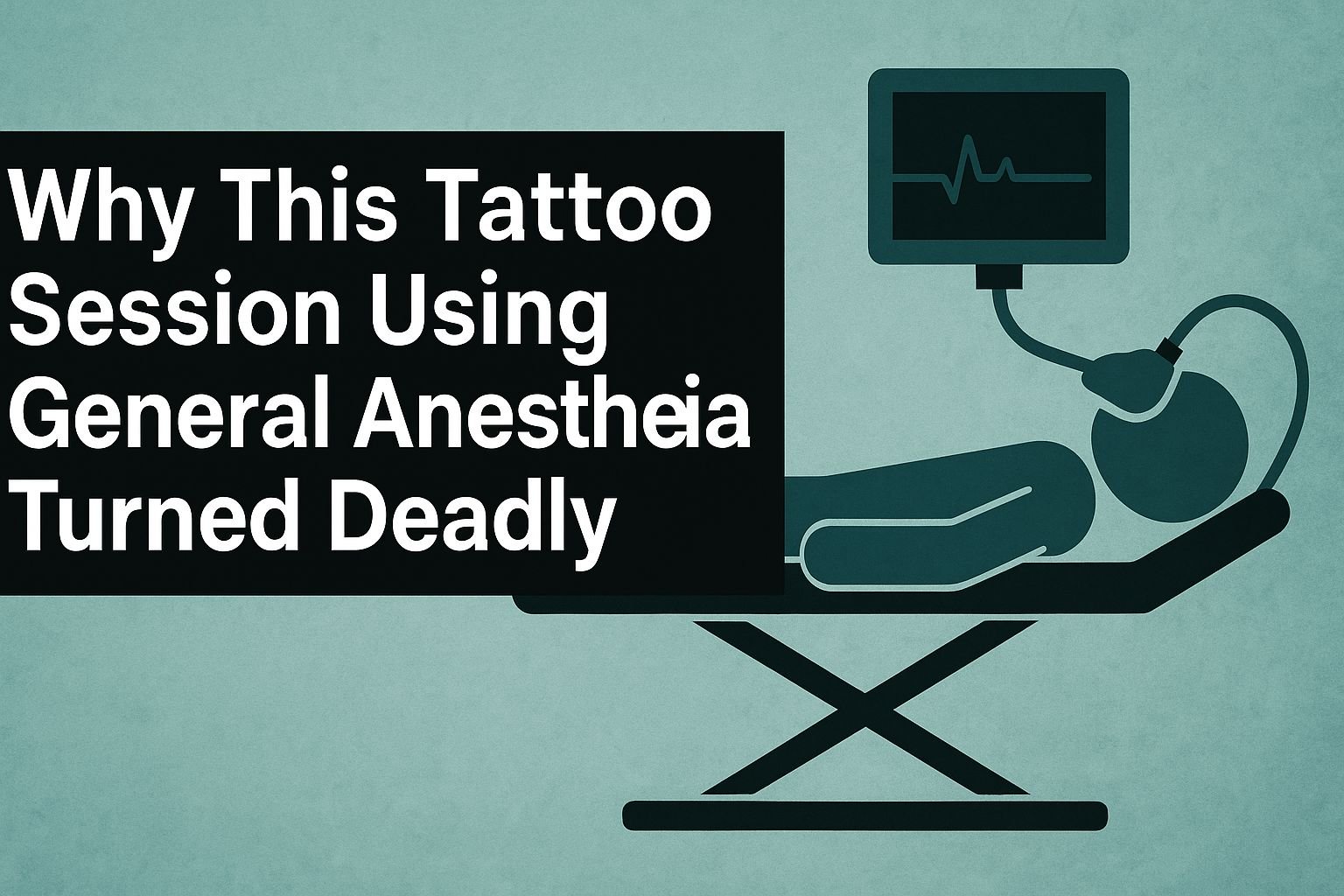
In a tragic medical case that has sparked widespread discussion, Ricardo Godoi, a 45-year-old Brazilian influencer and entrepreneur, lost his life under general anesthesia during a planned tattoo session.
Though cleared medically for the procedure, he suffered a sudden cardiac arrest moments after being intubated, before the tattooing even began. Despite the presence of a cardiologist, resuscitation efforts were unsuccessful.
Medical Clearance and the Procedure Setting
Godoi had undergone a medical evaluation and was initially set for an outpatient procedure. However, the location was changed to a hospital in Santa Catarina, Brazil.
In the operating room, standard anesthetic protocols were followed, including monitoring and induction. Tragically, immediately after intubation, he went into full cardiac arrest.
Potential Medical Explanations
Several hypotheses have been presented regarding the cause of death:
- Undiagnosed Coronary Artery Disease: Despite appearing healthy, Godoi might have had significant but silent coronary issues. A ruptured plaque or calcium deposit could have led to a fatal myocardial infarction.
- Past Steroid Use: Although his family reported he had stopped using testosterone five months prior, anabolic steroids can have lasting effects, including increased clotting risk and accelerated coronary artery disease.
- Respiratory Compromise: There were questions about possible improper placement of the breathing tube, though standard tools like capnography likely would have identified such an error quickly.
Broader Implications
This incident raises crucial ethical and medical questions about the use of general anesthesia for non-essential procedures like tattooing. While anesthesia is generally safe, it is not without risks, especially when underlying conditions go undetected.
Takeaway
The case of Ricardo Godoi is a somber reminder of the gravity of undergoing any procedure with general anesthesia. Even with advances in medical technology and training, rare and fatal complications can occur. It underscores the importance of thorough risk assessment, even for elective and aesthetic interventions.